
7 Practical Garden Solutions for Small Yards
Lewis Jones | February 25, 2026
Small yards can feel like a puzzle. You step outside with a vision of lush greenery, a cozy seating area, maybe a few flowers swaying in the breeze, and then reality taps you on the shoulder. The space is tighter than expected. The sunlight hits at odd angles. Storage somehow disappears. It’s easy to think you have to compromise.
But here’s the encouraging part: a smaller outdoor space doesn’t mean fewer possibilities. Instead of spreading ideas across a wide area, you get to curate something intentional, layered, and full of charm.
And you’re certainly not alone in wanting to make the most of your outdoor area. According to Workyard, 80% of U.S. households now engage in gardening or lawn care activities. That tells us something important: people crave a connection to nature, whether they have sprawling landscapes or compact patios.
If you’ve ever looked at your yard and wondered how to turn it into a welcoming garden retreat, let’s talk through a few practical ways to rethink your space.
1. Maximizing Vertical Space
When ground space is limited, the natural solution is to look up. Vertical design is one of those ideas that sounds obvious once you hear it, yet it’s often overlooked.
Walls, fences, railings, and even sturdy posts can become valuable real estate. Hanging planters, mounted shelves, trellises, and wall pockets allow greenery to rise without crowding walkways. It’s amazing how quickly a plain fence transforms when vines, herbs, or cascading plants enter the picture.
Vertical elements also create visual depth. Instead of everything sitting at the same height, your eye travels upward, making the yard feel larger and more dynamic. A climbing rose, a trailing ivy, or a tiered planter system can completely shift the mood.
There’s also a practical benefit. Lifting plants off the ground can improve airflow, reduce clutter, and make maintenance easier. No more awkward bending or squeezing into tight corners just to water or trim.
And perhaps most importantly, vertical features introduce a sense of intimacy. A wall softened with greenery doesn’t just hold plants; it creates atmosphere. Suddenly, your garden begins to feel less like a leftover patch of land and more like a curated outdoor room.
2. Defining Zones With Purpose
In a small yard, every area should feel intentional. Without structure, the space can seem chaotic or cramped, even if it’s beautifully planted.
Zoning doesn’t require fences or dramatic dividers. Subtle cues work wonders. A shift in materials, such as stepping from stone to gravel, signals a transition. A low planter border can separate a seating nook from planting beds. Even furniture placement can guide how the space is perceived.
Think about how you actually want to use the yard. A quiet coffee corner? A reading chair? A compact dining spot? A playful area for pets? Once you identify those functions, it becomes easier to shape the layout.
There’s a psychological comfort to this approach. A yard that flows naturally from one area to another feels welcoming. It invites you to linger. Over time, your garden becomes less about decoration and more about experience.
3. Choosing Plants That Multitask
In smaller spaces, plants should work a little harder. That doesn’t mean they need to be dramatic or exotic. It simply means choosing varieties that offer more than one benefit.
Consider greenery that provides color and texture. Or herbs that contribute fragrance and culinary value. Or shrubs that deliver seasonal interest through foliage, blossoms, or berries.
Layering is especially helpful. Taller plants anchor the background. Medium-height selections add body. Ground covers soften edges and reduce empty patches. This stacked effect creates richness without overcrowding.
There’s also something satisfying about functionality. A plant that shades a bench, attracts pollinators, and adds visual appeal feels purposeful. Each choice becomes part of a thoughtful composition rather than a random decoration.
And here’s a gentle reminder: perfection isn’t the goal. Gardens evolve. Plants grow, shift, and sometimes surprise us. That’s part of the joy.
4. Creating Privacy Without Walls
Privacy is often a concern in compact yards, particularly in neighborhoods where homes sit close together. Yet heavy barriers can make the space feel boxed in.
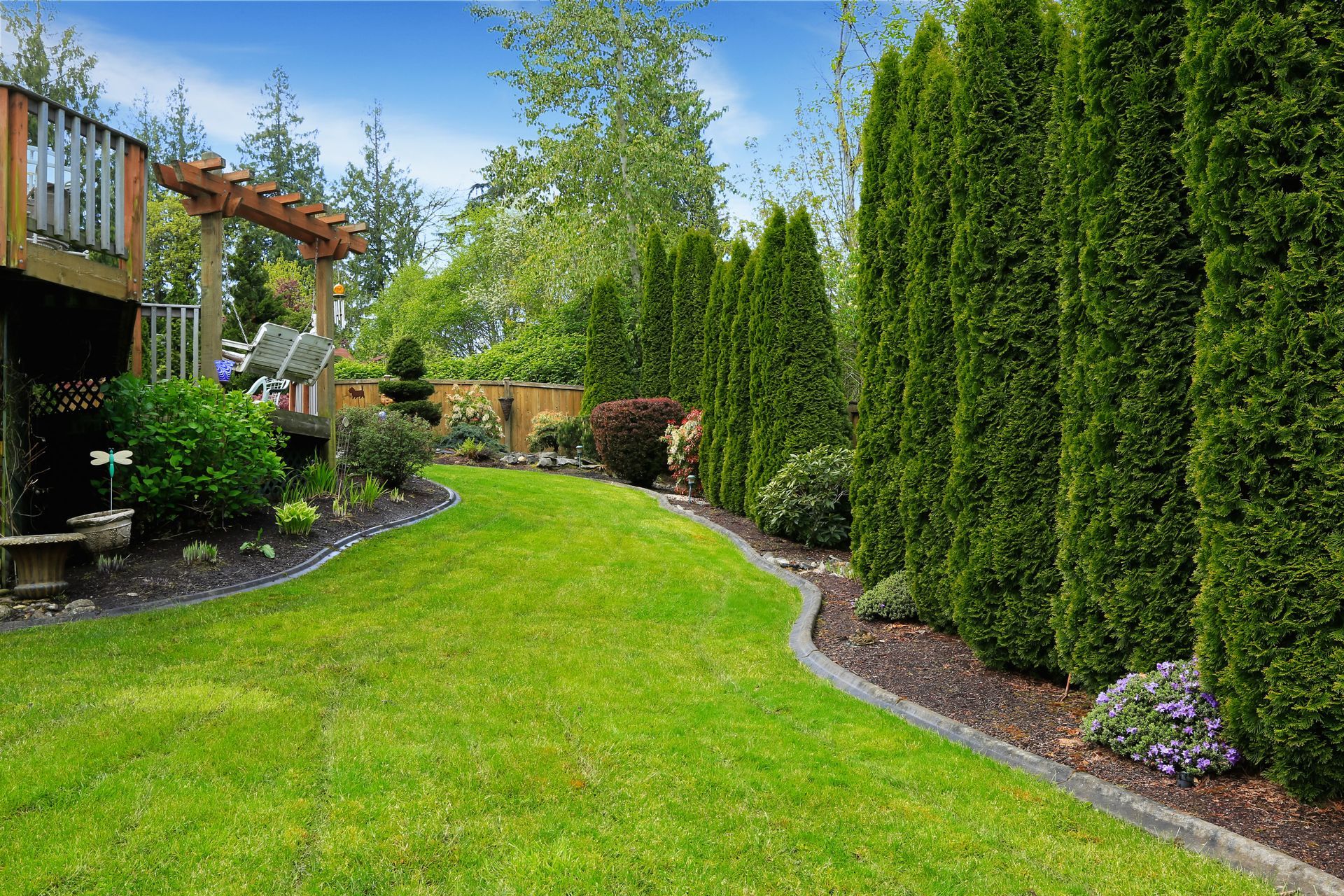
The softer alternative is to use greenery as a living screen. Tall grasses, layered shrubs, slender trees, or climbing plants on trellises can create separation while preserving openness.
Unlike solid walls, plant-based privacy breathes. It moves with the wind. It changes with the seasons. It filters light instead of blocking it entirely.
There’s also an emotional difference. A wooden fence says “boundary.” A line of foliage says “sanctuary.” The feeling is gentler, more natural.
Even partial screening can have a big impact. A strategically placed planter or vine-covered panel can shield a seating area just enough to enhance comfort without shrinking the yard.
And when your garden offers a sense of seclusion, it naturally becomes more inviting. You’re more likely to relax, unwind, and treat the space as an extension of your home.
5. Using Light And Reflection
Light is one of the most powerful design tools available, especially in smaller outdoor areas.
Brightening darker corners with reflective surfaces, pale materials, or subtle lighting can dramatically shift perception. Mirrors, metallic accents, or light-toned paving gently bounce illumination around the space.
Strategic lighting extends usability into the evening while enhancing mood. Soft pathway lights, warm wall fixtures, or delicate string lighting introduce ambiance without overwhelming the yard.
Natural light deserves equal attention. Observing how sunlight travels across the space helps determine plant placement, seating orientation, and focal points.
Reflection adds another layer of visual expansion. A mirror tucked behind foliage or a glossy surface near greenery can create depth, making the yard appear larger than it is.
When light and reflection work together, your garden feels airy, open, and alive at different times of day.
6. Designing For Easy Care
A small yard should simplify life, not complicate it. Overly complex layouts or high-maintenance features can turn a relaxing space into a source of stress.
Thoughtful design considers upkeep from the start. Grouping plants with similar water and light needs reduces guesswork. Allowing comfortable access for pruning and cleaning prevents frustration.
There’s a quiet pleasure in an outdoor area that feels manageable. You spend less time worrying about chores and more time enjoying the space.
This doesn’t mean sacrificing beauty. Simplicity often enhances elegance. Clean lines, cohesive plant selections, and uncluttered layouts create a calm, harmonious environment.
And as your garden matures, ease of care becomes even more valuable. The space continues to feel welcoming rather than demanding.
7. Adding Personality With Details
Details are where a small yard truly shines. While expansive landscapes rely on scale, compact spaces thrive on character.
A unique planter, a textured cushion, a sculptural accent, or a splash of unexpected color can define the entire atmosphere. These elements express personality and make the space distinctly yours.
Even practical items can contribute. Storage benches, decorative watering cans, or artful lighting fixtures blend function with style.
Small yards invite us to think differently. They encourage creativity, intentionality, and a deeper appreciation for how design choices shape experience. Instead of focusing on limitations, we begin to notice opportunities.
With vertical layers, purposeful zones, multitasking plants, gentle privacy, clever lighting, manageable layouts, and expressive details, even the most compact outdoor area can become a retreat.
Your garden doesn’t need endless space to feel welcoming. It simply needs thoughtful decisions and a bit of imagination.
When you’re ready to bring new life, color, and inspiration into your outdoor space, consider connecting with Knox Farmers Cooperative.


Share On: